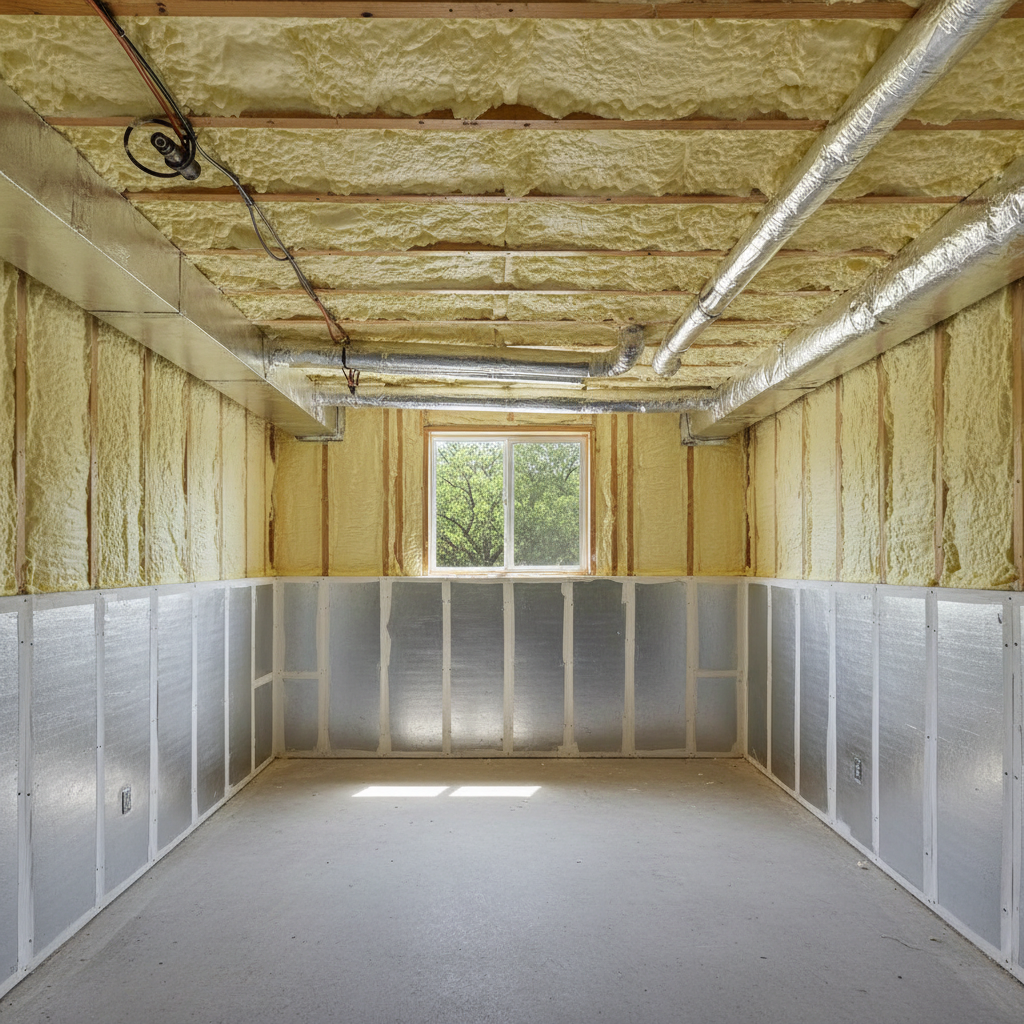
Thinking about insulating your basement? Smart move. It'll make your home more comfortable and cut down on energy bills, especially with our Texas heat and those occasional winter snaps. But I've seen plenty of folks around Cibolo make some real blunders when they tackle this kind of project. Let's go over the biggest mistakes I spot, so you can easily avoid them.
Mistake #1: Not Really Knowing Your Basement's Moisture Situation
This is probably the biggest one, and it's a real problem. Our Cibolo soil, especially that expansive clay, can hold a lot of water. If you've got a basement, you absolutely have to think about moisture. I'm not just talking about a little dampness here; I mean actual water coming in, high humidity, or even just condensation. Slapping insulation over a moisture problem? That's like putting a band-aid on a broken leg. It won't fix anything, and it'll probably make things worse, frankly.
Before you even consider insulation, your basement needs to be dry. That means checking for cracks in the foundation, making sure your gutters are working right and sending water far from the house, and maybe even getting a dehumidifier if humidity is always high. If you don't deal with moisture first, you're just setting yourself up for mold, mildew, and insulation that falls apart too soon. You'll end up ripping it all out and starting over, which is a total waste of time and money.
Mistake #2: Picking the Wrong Kind of Insulation
Not all insulation works the same, especially for basements. I often see people just grabbing whatever's cheapest or what they used in their attic, and that's a big mistake. Fiberglass batts, for instance, are great for attics and wall spaces above ground, but they're not ideal for basements. They can soak up moisture, sag, and lose their R-value if they get damp. And remember what I just said about moisture? Yeah, that.
For basements, you need something that can handle a bit of humidity and won't turn into a mold factory. Rigid foam boards (like XPS or EPS) or closed-cell spray foam are usually your best bet. They resist moisture, create a good vapor barrier, and perform really well thermally. Don't just assume one type fits all situations; do your homework or, even better, chat with someone who actually knows what they're doing for basement applications.
Mistake #3: Forgetting About Air Sealing
Insulation and air sealing go hand-in-hand, like peanut butter and jelly. You could have the thickest, highest R-value insulation in the world, but if your basement isn't properly air-sealed, you'll still have drafts and lose energy. I'm talking about those tiny gaps and cracks around rim joists, pipes, wires, and even where the foundation meets the framing. These might seem small, but they really add up.
Cold air can sneak in, and your conditioned air can leak right out. This forces your HVAC system to work harder, which drives up your energy bills. Before any insulation goes in, make sure those gaps are sealed up tight with caulk or spray foam. It's a crucial step that often gets overlooked, but it makes a huge difference in how comfortable and efficient your home feels.
Mistake #4: Hiring the Cheapest Bid Without Asking the Right Questions
Look, I get it. Everyone wants to save a few bucks. But when it comes to something as important as your home's foundation and energy efficiency, just going with the absolute lowest bid without checking them out is a gamble. I've seen folks get burned by contractors who cut corners, use cheap materials, or simply don't have the experience with basement-specific challenges.
When you're getting quotes, don't just look at the price. Ask questions: What kind of insulation do they suggest for basements, and why? How do they handle moisture? Do they include air sealing? Are they licensed and insured? Do they offer a warranty? Check their references, too. A reputable company, like Heritage Insulation Solutions, will happily answer all these questions and explain their process. If someone gives you a super low price and can't clearly explain their methods, that's a big red flag, wouldn't you say?
Mistake #5: Not Thinking About the Rim Joist
The rim joist area — that's where your house frame sits right on top of your foundation — is a major spot for air leaks and heat loss in basements. It often gets ignored or isn't insulated well. It's a tricky place because it's prone to air getting in and can be a real cold spot. Just stuffing some fiberglass in there isn't going to cut it.
Properly insulating and air sealing the rim joist area is absolutely vital. Closed-cell spray foam is often the best solution here because it expands to fill all the gaps and creates an effective air and vapor barrier. Don't let a contractor skip this area or do a half-baked job. It's a small part of the basement, but it has a huge impact on your home's overall performance.
Insulating your Cibolo basement is a fantastic investment, but you really have to do it right. Avoid these common mistakes, and you'll end up with a more comfortable home, lower energy bills, and a lot less worry. If you're unsure about any of this, just give us a call. We're always happy to talk through your options.